
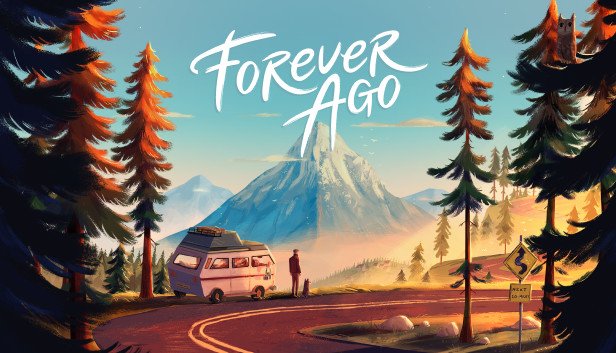
Every so often an indie game comes along that feels less like a product and more like an experience. Forever Ago, the debut project from German studio Third Shift and published by Annapurna Interactive, looks like one of those rare titles. Instead of chasing fast action or complex mechanics, it leans into storytelling, atmosphere, and emotion. This is a game that invites players to slow down, reflect, and walk alongside a character searching for meaning.
A Journey Through Loss and Memory
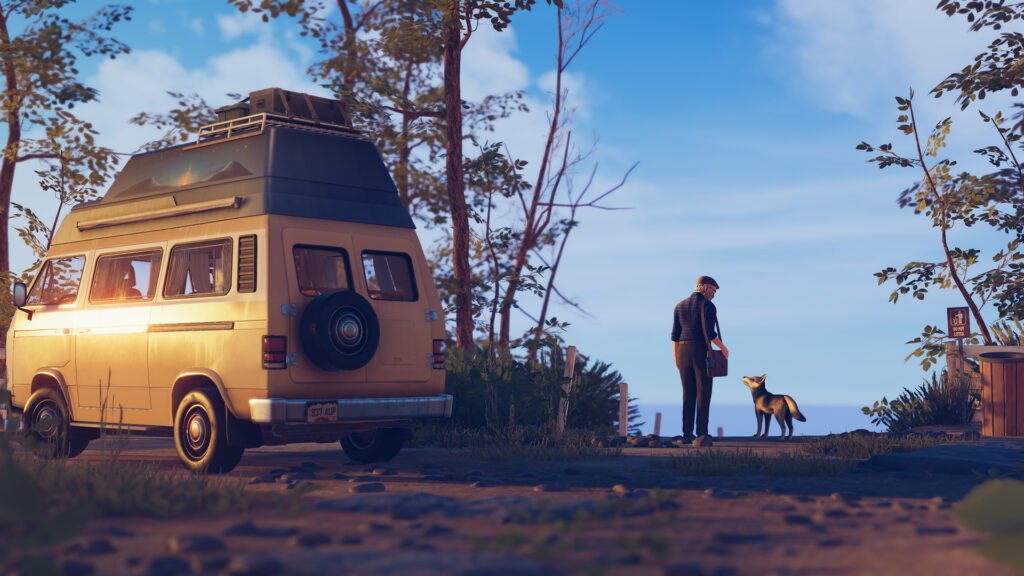
At the heart of Forever Ago is Alfred, an older man carrying the weight of personal tragedy. Rather than succumbing to despair, he sets out on a road trip across the landscapes of the American north. His journey is not about reaching a flashy destination but about rediscovering life after loss. Every stop along the road offers new people to meet, objects to examine, and quiet moments that piece together Alfred’s past and his path toward healing.
The idea of traveling to find yourself is familiar, but the way Forever Ago frames it through the lens of a personal road trip feels intimate and grounded. It has the potential to resonate deeply with anyone who has ever searched for peace after hardship.
Capturing Moments With a Camera
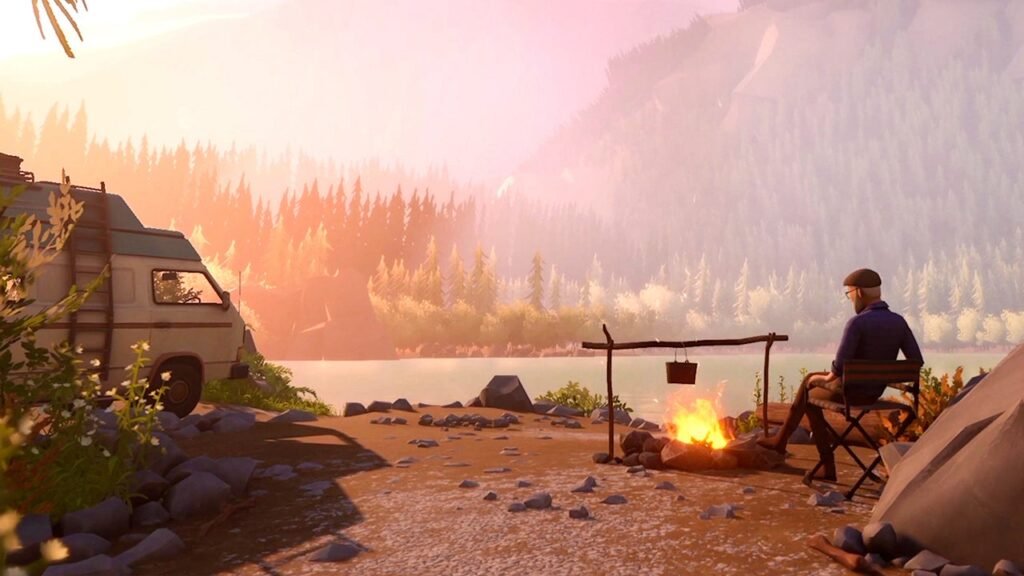
One of the most striking features of the game is Alfred’s instant camera. Far from being a simple extra, the camera is a core part of the experience. Players can use it to document moments on their journey while also solving puzzles and uncovering clues in the environment.
The photography system is more than just a tool. It reflects Alfred’s desire to hold on to fleeting moments and preserve memories before they slip away. It is a quiet but powerful mechanic that adds real emotional weight to exploration.
The Indie Spirit
Third Shift is a small studio created by two friends, and Forever Ago is their first major release. That alone makes the game exciting. Indie titles often shine when a small team pours their heart into telling a story they could not tell otherwise. Partnering with Annapurna Interactive, known for publishing narrative driven hits like What Remains of Edith Finch and Outer Wilds, only adds to the anticipation.
The visuals are painterly and atmospheric, with environments that capture both the beauty and loneliness of the open road. Soft lighting, muted colors, and sweeping landscapes give the game a tone that feels contemplative rather than flashy. It is not about spectacle but about mood.
Why It Stands Out
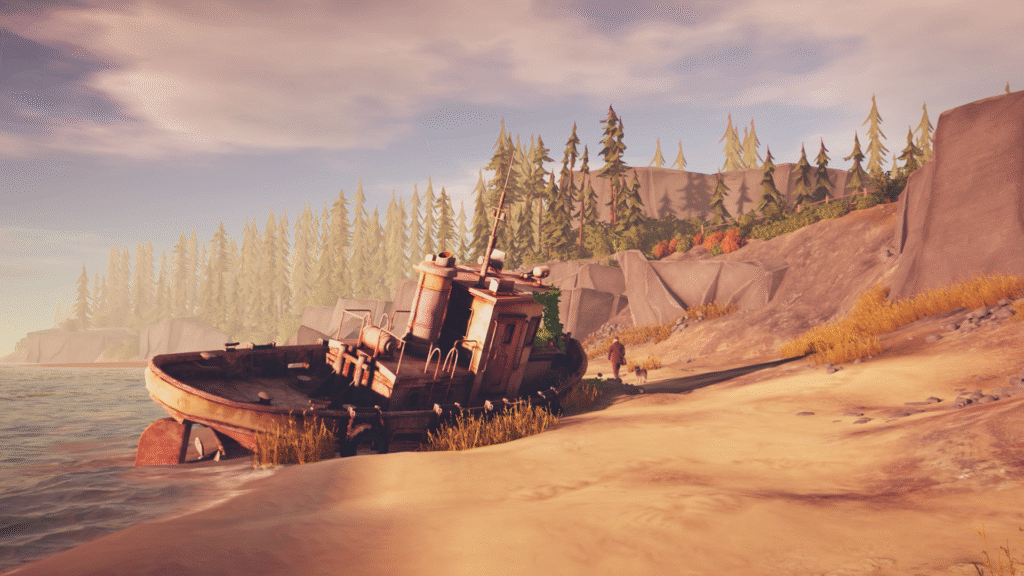
What makes Forever Ago so compelling is that it does not try to compete with blockbuster titles. Instead it dares to be quiet. It asks players to listen, to reflect, and to walk in someone else’s shoes for a while. Narrative adventures like this live and die by their pacing and emotional delivery, but when they succeed, they linger in your memory long after the credits roll.
The road trip framing, the camera system, and the promise of heartfelt storytelling make Forever Ago one of the most intriguing indie titles coming soon. If you enjoy narrative adventures, walking simulators, or games that leave you thinking rather than rushing forward, this is one worth watching.
Closing Thoughts
Forever Ago may not scream for attention, but it could quietly become one of the most memorable indie releases of the year. With themes of grief, hope, and rediscovery, it looks like a game designed for players who crave more than just gameplay loops. This is a story that feels human.
Keep an eye on Forever Ago, add it to your wishlist, and prepare for a journey that promises to be as personal as it is emotional. Sometimes the most powerful adventures are the ones that ask us to slow down.