
Some games are fun the first time you play them and then quietly fade into memory. Others stay with you, waiting patiently until life gives you enough experience to truly understand what they were trying to say. As you grow older, certain stories, themes, and moments in games suddenly feel heavier, more personal, and sometimes painfully real.
Here are five games that hit very differently when you revisit them later in life.
Final Fantasy IX
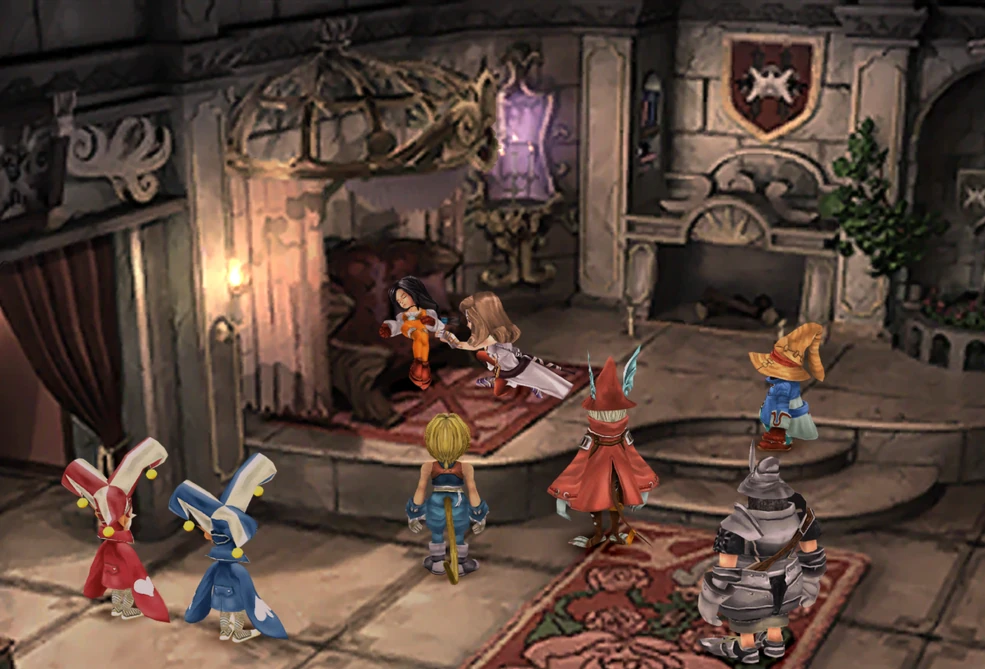
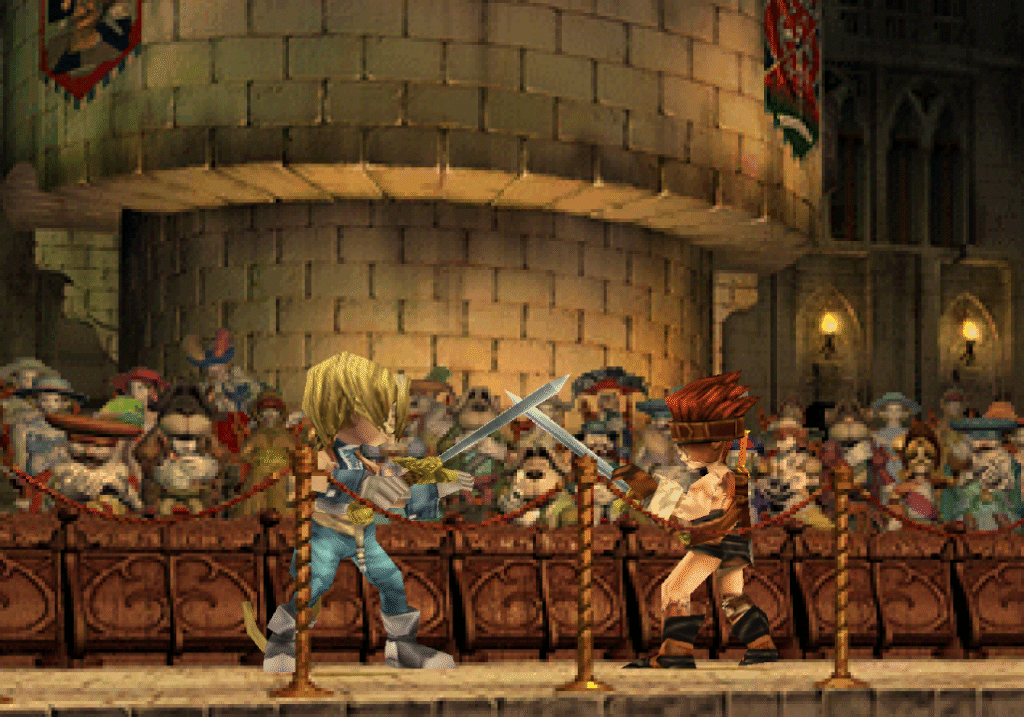
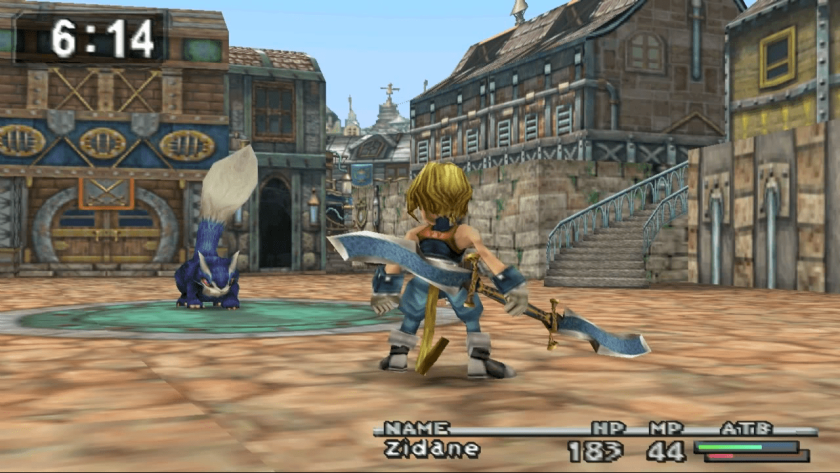
When you play Final Fantasy IX as a kid, it feels like a colorful fantasy adventure full of strange characters and epic battles. As an adult, it becomes a story about identity, mortality, and finding meaning when everything feels temporary.
Characters struggle with questions about existence, purpose, and legacy. Lines of dialogue that once felt simple suddenly feel profound. Vivi’s journey in particular becomes heartbreaking in a way that only lands once you understand fear, uncertainty, and the passage of time.
The Last of Us
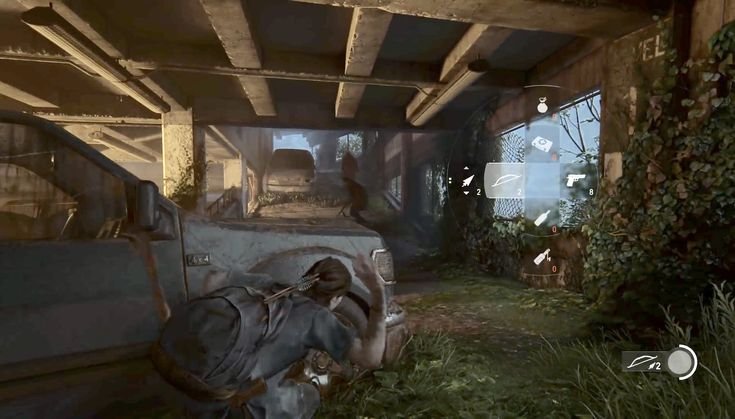
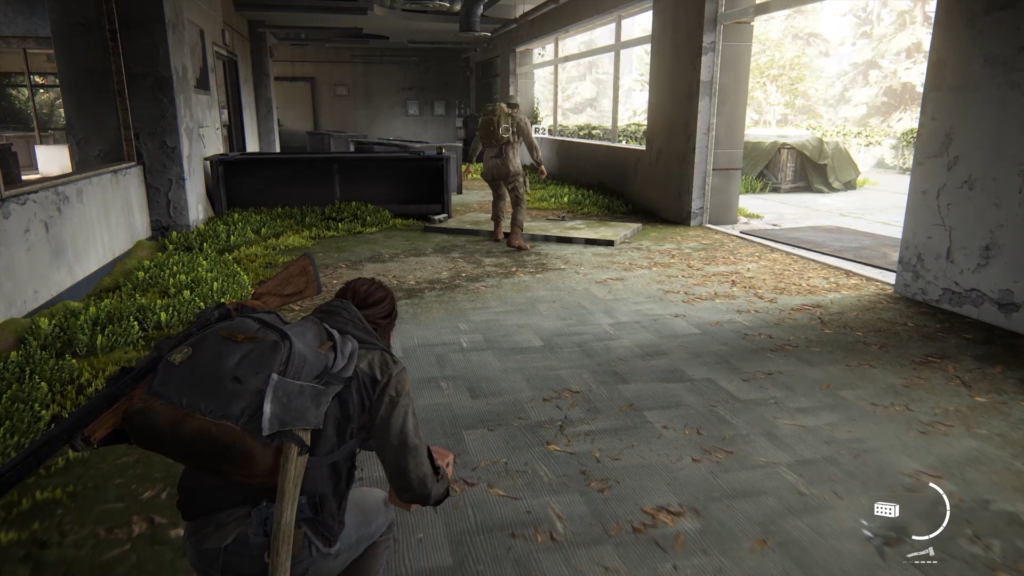
At first glance, The Last of Us is a brutal survival game set in a ruined world. As you get older, it becomes a story about love, loss, and the impossible choices people make to protect those they care about.
Joel’s actions hit harder when you understand responsibility, regret, and how deeply grief can shape a person. The quiet moments, the conversations, and the moral gray areas feel heavier once you’ve lived long enough to realize there are no easy answers in life.
Life is Strange
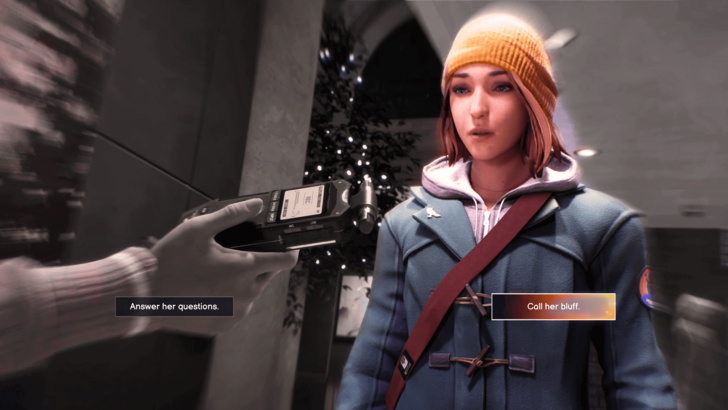
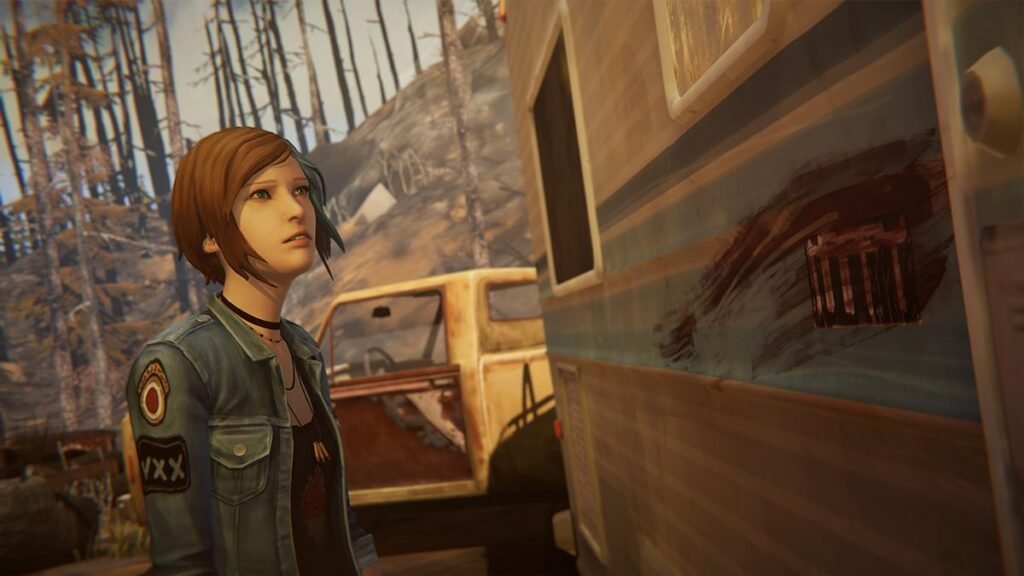
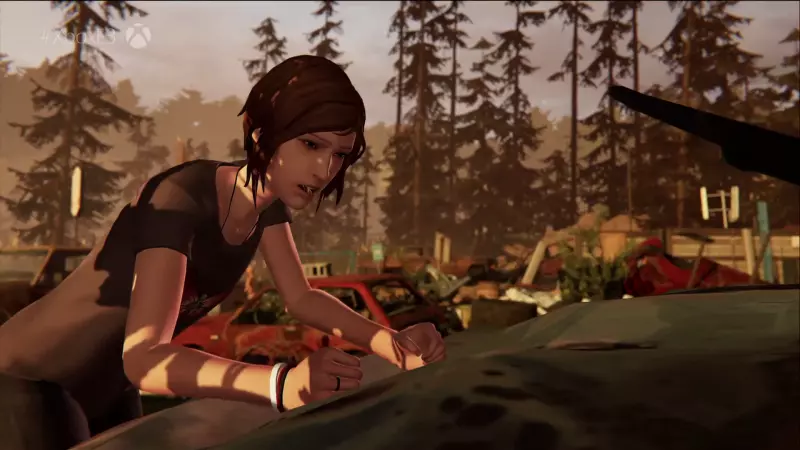
Life is Strange feels emotional no matter when you play it, but age adds layers to its impact. What once felt like teenage drama becomes a reflection on missed chances, growing apart, and the weight of decisions you can never undo.
As an adult, the idea of wanting to go back and fix things feels painfully relatable. The game’s focus on memory, friendship, and consequences resonates more deeply once you’ve experienced real regret and the reality that not everything can be saved.
Red Dead Redemption 2
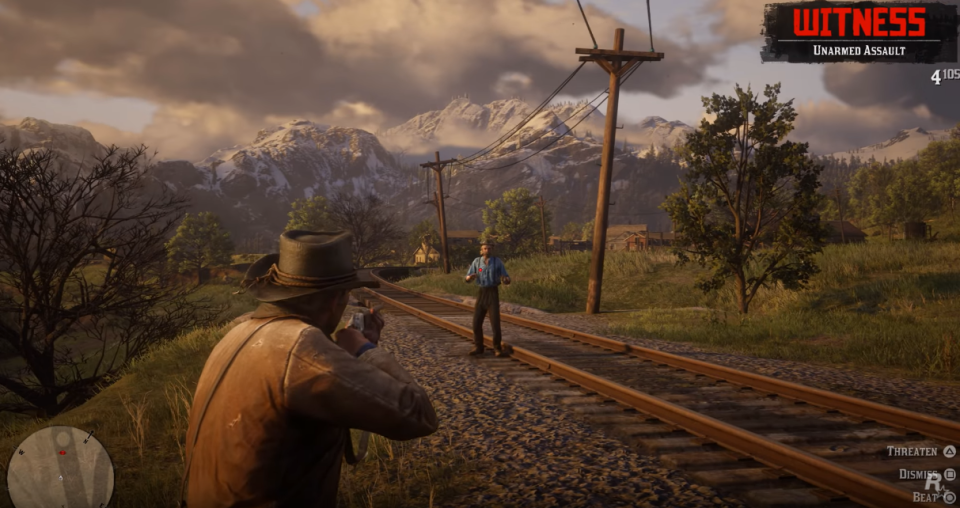
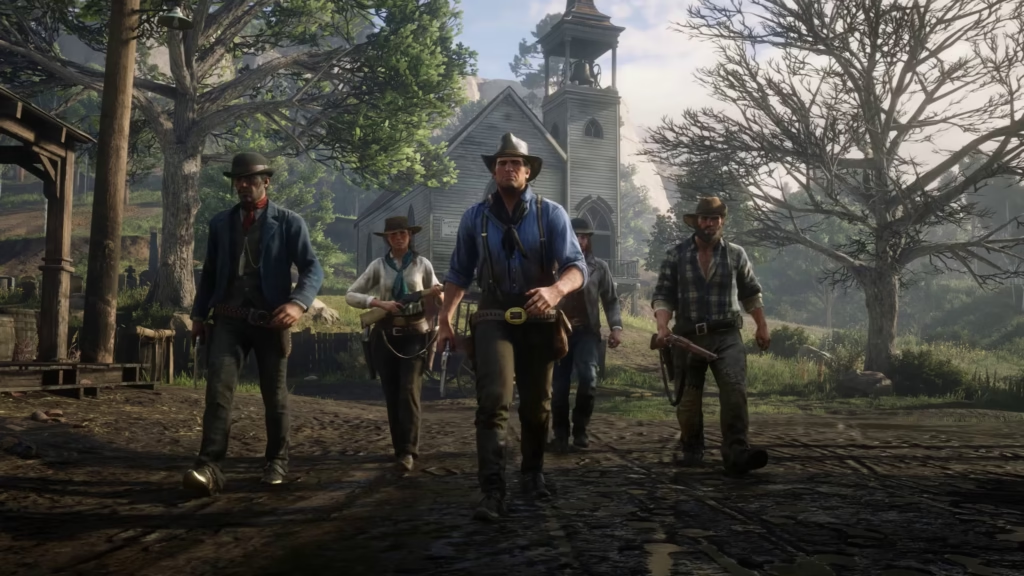
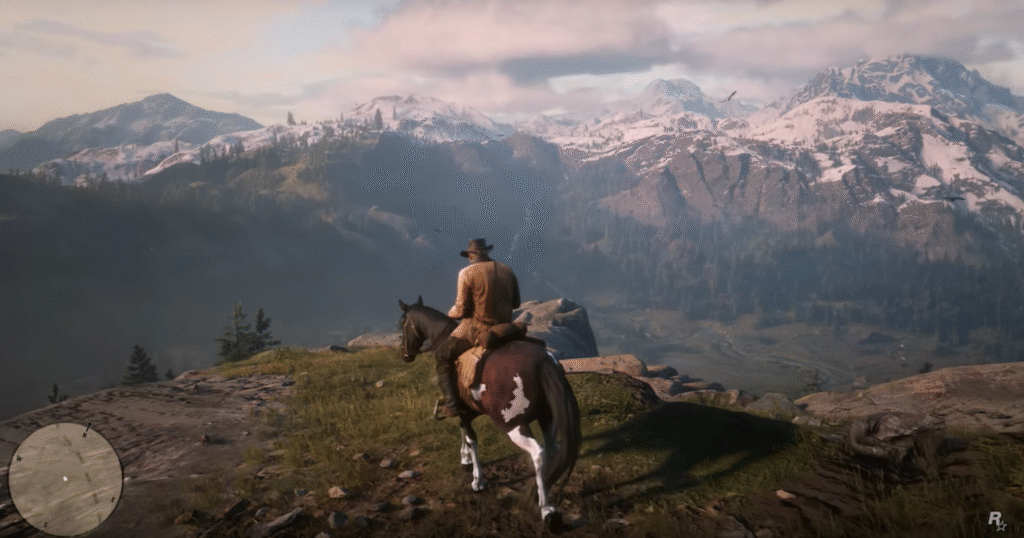
On the surface, Red Dead Redemption 2 is a massive open-world western. Beneath that, it is a quiet meditation on aging, change, and knowing when your time has passed.
Arthur Morgan’s journey hits harder with age because it mirrors real life. The realization that the world moves on without you, that ideals fade, and that redemption often comes too late feels deeply human. What once felt like a slow story becomes a powerful one when you understand its message.
Spiritfarer
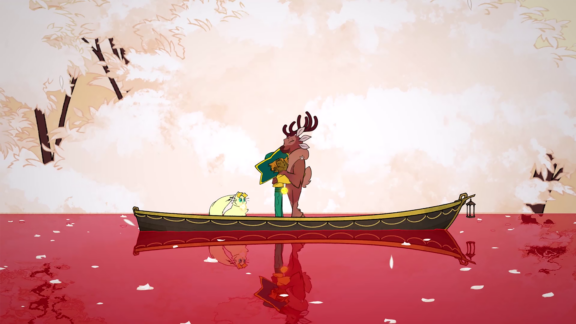
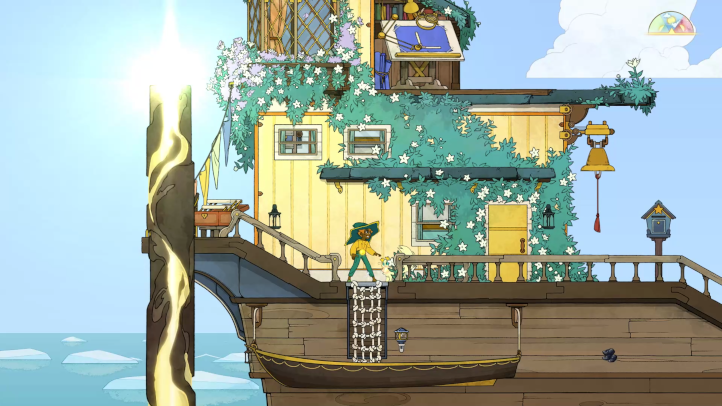
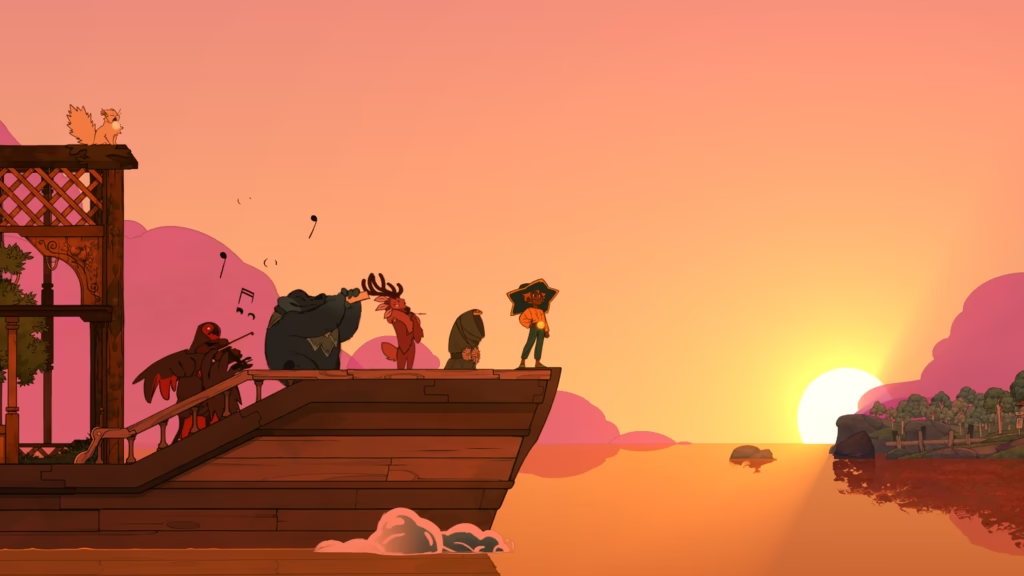
Spiritfarer is gentle, cozy, and deceptively emotional. It asks players to help spirits find peace before saying goodbye forever. When you are younger, it feels touching. When you are older, it can feel overwhelming.
Loss, letting go, and acceptance are central to the experience. Every farewell feels personal, especially if you have experienced grief yourself. The game does not rush emotions. It allows them to sit quietly, which is why it hits so hard later in life.
Looking Back With New Eyes
These games do not change as you age. You do. Life experience gives context to their stories, and suddenly moments you once rushed through feel meaningful. Dialogue you ignored becomes unforgettable. Endings linger longer.
Replaying games like these is like meeting an old friend after years apart. The conversation is the same, but you understand it in a completely different way.
Sometimes, the best time to play a game is not when it releases, but when life has taught you enough to truly feel it.